
Killer Compost
My compost had a deadly problem - and what to do if yours does too.

Let me tell you about the most expensive thing I have ever done for free.
I bought compost. Quality compost, or so I believed. It was the commercially bagged kind, from a place I trusted. It made all the promises: for organic gardening, 100% natural, promotes vigorous and healthy plants - with a price tag to match. I hauled it home in the back of the pickup with a smug satisfaction. My tomatoes were going to be the best-looking ones on the block. I worked that compost into the soil and plopped in the transplants I’d been babying since they were just a winter fever dream. I watered them, stood back, and felt as smug as the cat that swallowed the canary for what turned out to be a week.
That’s how long it took for the new growth to start cupping, curling, and twisting. It looked like the tomato plants were trying to turn themselves into ferns with leaves tightly coiling back onto themselves in an embarrassing attempt to appear as a fiddlehead. Everything stalled. I stood there with my head hung low and realized I hadn’t been fooled by bad luck. I’d been fooled by chemistry, and I’d handed it the keys myself.
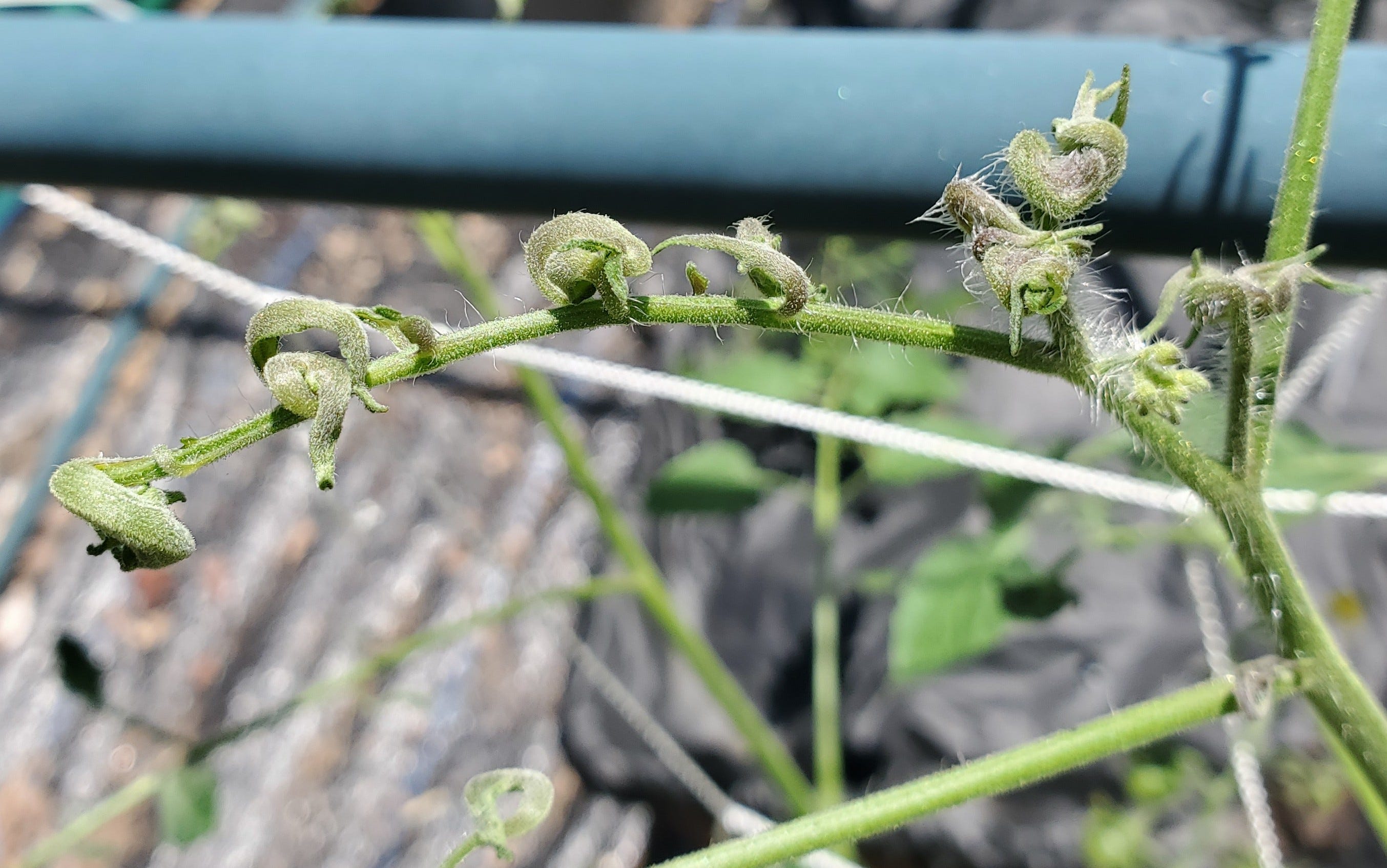
And here is the part I am least proud of: I knew about all of this. I’d read about contaminated compost for years, in the gardening forums and the magazines, the same horror story over and over. I knew about the test that could have prevented this. I have, with my own mouth, told gardening friends to do the test. I was the person at the table dispensing the warning. But I’d never been burned before, and I’d decided somewhere along the way that mushroom compost was the safe kind. Which it isn’t, as it turns out, and never was. I knew better and did it anyway. Awkward.
What Really Happened
The compost was carrying a silent killer - an herbicide. Not the kind that you can rinse off or one that breaks down in a season. It was most likely one of the persistent ones (aminopyralid, clopyralid, or picloram, for those of you who want a name to curse). These get sprayed on pastures and hay to kill broadleaf weeds, then ride straight through a cow’s (or horse’s) digestive system, through the whole composting process, and into a tidy bag with a wholesome name. They don’t break down on any schedule that respects your gardening season. And it takes a level of contamination too small to imagine - a part per billion - to ruin a tomato plant, or beans, peas, lettuce, potatoes, and peppers. Basically, everything I want to eat.
The Test I Skipped
Here’s the part where I tell you the thing I wish someone had grabbed me by the collar and said before I opened that bag. “Follow your own advice, smarty pants. Do a bioassay, it’s simple and will save you some grief.”
This is how it’s done:
1. Find a few clean pots.
2. Fill half of them with the new compost that you want to test, mixed into clean potting soil.
3. Fill the other half with plain clean potting soil as a control.
4. Plant a few pea or bean seeds in each pot - they’re fast and sensitive to the silent killer, which makes them excellent canaries.
5. Wait three to four weeks and watch.
6. If the seedlings in the suspect mix come up cupped, twisted, and stunted while the control seedlings look fine, you have your answer, before it’s a disappointing bed full of curled, dying plants like mine.
Three to four weeks of patience and six easy steps. That’s the whole cost. I didn’t spend it, and instead I exterminated all my tomato plants in one fell swoop. A considerably worse exchange rate.
What To Do If It’s Happened To You
If you’re reading this with your own twisted leaves out the window - first, I’m sorry, and second, you didn’t do anything dumb that the rest of us didn’t do, too. Here’s where to start.
Rip up the affected plants, roots and all. Throw them in the trash, not the compost, or else you’ll just have the problem again next year like Montezuma’s revenge. Also, don’t use any of it as a mulch. The chemical doesn’t care that you’ve moved it.
Herbicides are persistent buggers. They can take one to two years to break down enough to be harmless. Not weeks. Years. You’ll have feelings about this. I know I do. A pot is easy - set it aside, walk away, pretend it never happened. An in-ground bed is where it gets personal.
You can’t rush it, but you can nag it along: keep the soil warm, moist, and aerated; turn it; mix in clean compost and soil to feed the microbes that do the dismantling. Don’t expect to replant sensitive crops right away. If you need that ground this year, grasses and corn shrug the chemical off, so a cover crop of rye or a stand of sweetcorn will happily keep the bed busy while it heals.
And then call the company that sold the compost. They may not owe you a thing. But they should know about it, and trust me, you aren’t the only one calling.
What I’m Doing Now
I’ll be honest with you, it stung for a good while. Hours of work, a winter of dreaming, a whole spring of hope, and 16 tomato plants I’d genuinely grown fond of. You’re allowed to be annoyed about that. I was.
If there is a silver lining in all this for me, it’s this. I live in zone 8 in the southeast U.S. and have plenty of time to start over. This time, I’m starting in an uncontaminated area, with tested compost. Three pea seedlings wave at me from a control pot on the windowsill - the jury that’ll clear the next bag before it goes anywhere near my tomatoes. Or not.
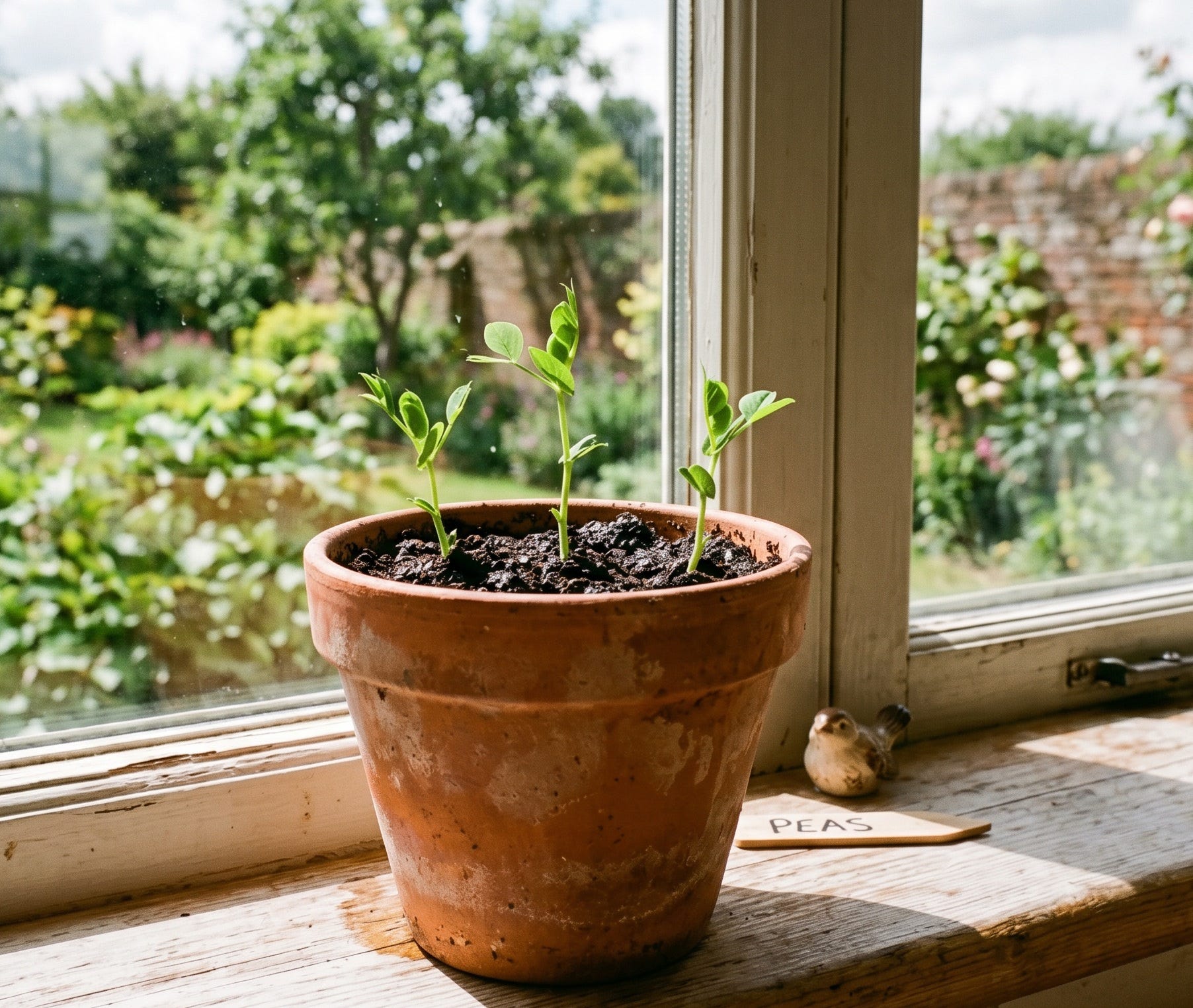
And the truth is I’m a better gardener for it, which frankly annoys me. I’d rather just stay furious. Instead, I’m stuck feeling grateful to a bag of compost that killed 16 plants. The lesson I paid the most for, the one I absolutely should have known, is the one I’ll never have to learn again.
So, test your compost. Spend the three weeks. Save the tomatoes. Learn from the woman who didn’t, and who is, even now, watching three pea sprouts like they owe her money.
My tomatoes will be a little late this year, but they will be.
Love M - your golden bloomer in residence.